_edited.png)
meet the Board
_edited.jpg)
Aaron Ken - chair
Aaron Ken is the Program Manager for Wali Wiru at the South Australian Housing Trust and leads dedicated Wali Wiru teams in Port Augusta and Adelaide to provide cultural safety for tenants while building cultural acumen. Aaron has held several positions with the South Australian Housing Trust from 2020 including being a principal project officer, a Wali Wiru practitioner and program manager. Aaron is also the Chairperson of the Iwiri Aboriginal Corporation, a member-based Aboriginal Corporation for Adelaide Aṉangu Pitjantjatjara/Yankunytjatjara people that seeks to strengthen the Aṉangu community through providing social support programs, cultural and arts activities and employment opportunities. With extensive experience working and investing in strengthening Aboriginal educational and community engagement, Aaron is committed to supporting youth empowerment and increasing the knowledge of Aboriginal Communities.
_edited.jpg)
lila berry - deputy chair
Lilla is a Yankunytjatjara woman, artist, arts worker and producer who has worked in the arts sector for over 9 years. She is currently the Aboriginal Arts Programs Manager at Carclew, and has contributed to a wide range of programming. Lilla also has an active independent dance practice and independent roles as a producer. In 2017, she formed the Aboriginal cultural contemporary dance company Of Desert and Sea, alongside her fellow dance ensemble members. As producer she secured funding, partnerships and performance opportunities, including performances and workshops at WOMADelaide, Art Gallery of South Australia, Dance Rites at the Sydney Opera House. Lilla produced ODAS’ debut show and season of Beautiful during Tarnanthi in 2019, as well as her first screen credit, producing Sansbury Sisters as part of the Deadly Family Portraits Initiative with South Australian Film Corp and ABC iView. Lilla completed a residency as part of The Mill’s Collaboration and Mentorship Residency program in 2021, which resulted in an exhibition titled STRNG WMN as part of Tarnanthi, which she curated and contributed too, alongside other First Nation artists. Lilla received the Emerging Producer Award at the 2021 South Australian Screen Awards. Her most recent film credit was producing the NITV, Screen Australia and SAFC commissioned short documentary, Black Empire, as part of the Curious Australia Initiative, which aired in 2022. She is currently completing a Bachelor of Creative Arts at The University of Adelaide.
.png)
celia coulthard
Celia Coulthard is an Adnyamathanha woman and mother. She is Programming Executive, First Nations at Adelaide Festival Centre, creator and creative producer of OUR WORDS, a member of Arts SA’s inaugural Aboriginal and Torres Strait Islander Strategy Panel, a board member for Artlink Magazine, an avid reader and occasional practitioner of paper and word-based art.
_edited.jpg)
tapaya edwards
Tapaya is a young man of exceptional skill and knowledge of inma and Tjukurpa that traverse the Anangu Pitjantjatjara Yankunytjatjara Lands. From a young age, Tapaya showed aptitude and interest in learning the language and rhythm of inma, his dancing skills delighted senior Anangu. Tapaya was taught inma of the Maku (witchetty grub) by his grandfather at Mimili and his grandmothers at Amata instructed him in the songs and dances of Ngintaka (perentile lizard) and the male role of Wati Nyiru in the Kungkarangkalpa (Seven Sisters) Inm. Tapaya is a sought-after cultural advisor and interpreter across the region. He has represented Anangu in national conferences, and exhibitions and performances internationally, most recently in Berlin for the opening of Songlines: Tracking the Seven Sisters at the Humboldt Forum and in Paris for Le Chant Aborigène des Sept Sœurs (The Seven Sisters Story). Tapaya Edwards holds a Board position with The Alinytjara Wilurara (AW) Landscape Board, Australia's only all-Aboriginal landscape board dedicated to conserving traditional Aboriginal use and occupation of South Australia's AW region. In 2021, was awarded the Stephen Gardlarbadi Goldsmith Memorial Ruby Award in 2021 for his cultural and artistic work in the arts in South Australia.

Errol Lovegrove
Errol Lovegrove is Ngarrindjeri man and an experienced senior public sector professional with more than 42 years of employment and 23 years in the South Australian Public Sector, including a decade with the Department for Infrastructure and Transport (DIT). His career reflects deep commitment to public service, Aboriginal engagement, reconciliation, organisational culture, and workforce development. Throughout his career, Errol has been recognised for his commitment to building culturally safe workplaces, strengthening Aboriginal representation, and championing meaningful organisational change. His work has supported the development of more inclusive employment pathways and improved cultural capability across multiple government departments. During his decade with the Department for Infrastructure and Transport (DIT), Errol played a significant role in progressing initiatives that expanded opportunities for Aboriginal employees and supported the department’s reconciliation commitments. His leadership contributed to enhancing workplace culture, strengthening engagement frameworks, and embedding practices that continue to influence the department’s approach today. Errol is known for his collaborative leadership style, his ability to build strong and trusting relationships, and his dedication to advocating for improved outcomes for Aboriginal people within the public sector. His work has consistently focused on practical solutions, respectful engagement, and creating environments where staff feel heard, supported, and able to thrive. After a long and impactful public sector career, Errol is currently on sabbatical and preparing for his next opportunity to contribute, learn, and support organisations committed to cultural integrity, workforce development, and social impact.
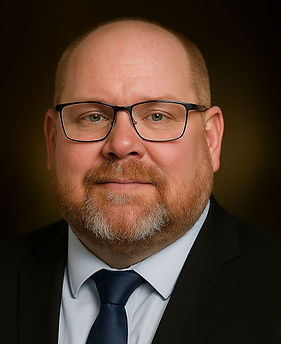
Neville Rankine
Neville Rankine comes from a diverse background of Scottish and Aboriginal heritage and proudly identifies as an Aboriginal man with strong connections to the Ngarrindjeri nation (Tanganekald). He is a qualified accountant and a member of the Institute of Public Accountants (IPA). Neville currently serves as Operational Finance Manager at the University of South Australia, where he also contributes to Indigenous governance boards. His commitment to community is longstanding, having previously served on several community-based boards, bringing both financial expertise and cultural insight to his roles.
_edited.jpg)
Joyleen Thomas
Ms Joyleen Thomas is a Kokatha Elder respected Aboriginal leader, strategist, and cultural advocate with a strong record of advancing Aboriginal engagement, workforce development, and culturally informed organisational change across the South Australian public sector. Her leadership has been instrumental in shaping more inclusive systems, improving representation, and strengthening pathways for Aboriginal employees. As the former Manager of Aboriginal Engagement within the Department for Infrastructure and Transport (DIT), Joyleen played a foundational role in establishing the department’s modern approach to Aboriginal Employment and Reconciliation. Her vision, strategic clarity, and commitment to culturally grounded practice created the framework upon which many of the department’s subsequent successes have been built. Joyleen’s leadership extended beyond program implementation—she championed cultural safety, community partnerships, and Aboriginal-led decision-making. Her work helped to strengthen internal capability, broaden organisational understanding, and open new opportunities for Aboriginal leadership and career progression. Her contribution is widely recognised by colleagues, including those who directly benefited from her guidance, support, and mentoring. Known for her deep cultural knowledge and her ability to work collaboratively across diverse teams, Joyleen fostered strong relationships within government, between agencies, and with Aboriginal communities. Her influence continues to be felt in the systems and structures she helped establish, many of which remain central to DIT’s ongoing reconciliation and workforce strategies. Ms Thomas is highly regarded for her professionalism, integrity, and commitment to creating meaningful, long-term change. Her work has had a long legacy, contributing to stronger, more culturally competent public sector practices and improved opportunities for Aboriginal people across the state.